
Top Picks, Buying Tips, and Ownership Insights
Shopping for the best used electric cars under 25000 is easier than ever. With strong range, modern safety tech, and low ownership costs, today’s pre-owned EVs deliver daily convenience and weekend flexibility without premium pricing. This guide highlights top models commonly found under 25000, what to check before you buy, and how to compare battery health, charging options, and total cost of ownership. You will also find links to helpful resources like research tools, financing guides, and service support so you can move forward with clarity. Whether you are commuting, running errands, or taking light road trips, affordable used EVs offer quiet performance and smooth acceleration with fewer maintenance needs than many gas vehicles. Explore model recommendations, must-know checks, and local ownership tips below, then use our research and inventory pages to refine your shortlist and keep your purchase process simple.
This resource centers on practical answers for real shoppers: how to judge battery health, which charging level you need, what range works for your lifestyle, and how to estimate costs compared with gas vehicles. It also explains software updates, recalls, and maintenance basics that keep ownership easy. Use the links throughout to access inventory, trade-in valuation, applications, research, warranty information, and service scheduling, so every step from selection to delivery feels straightforward and informed.
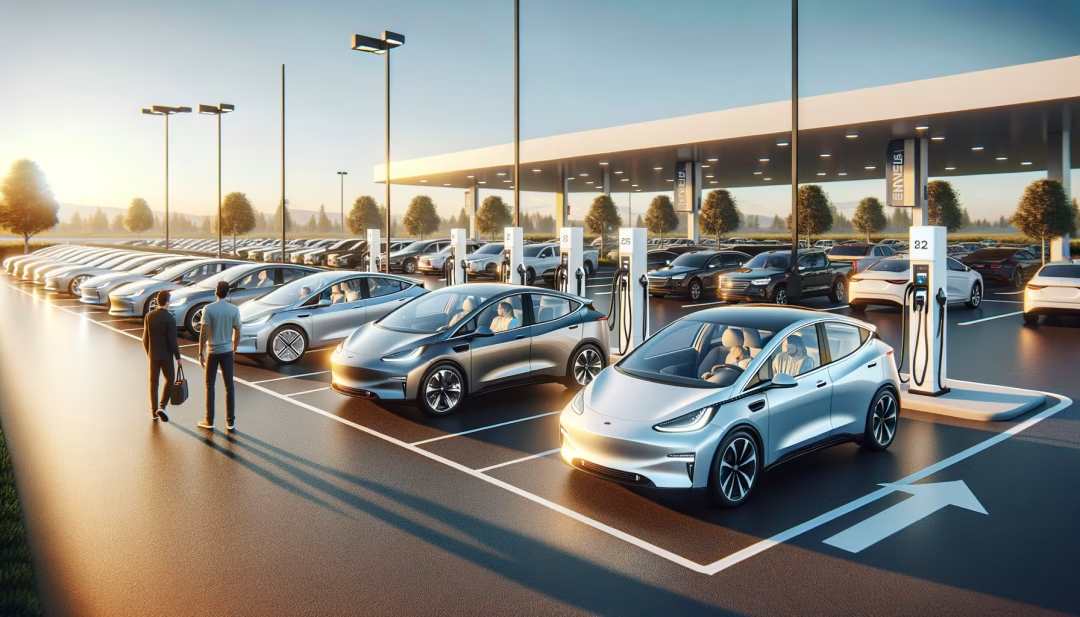
Quick Picks: Best Used Electric Cars Under 25000
Pricing varies by model year, mileage, battery condition, location, and season. The following EVs are often available near or under 25000 in many markets. Always confirm battery state of health, open recalls, charger compatibility, and maintenance history on any specific vehicle.
- Nissan Leaf 2018 to 2022 SV or SL trims with 40 kWh batteries offer smooth city driving, easy home charging, and driver assist tech.
- Chevrolet Bolt EV 2017 to 2020 provides strong real world range, one pedal driving, and a roomy hatchback layout for daily versatility.
- Kia Soul EV 2016 to 2019 packs a tall cabin, practical cargo space, and intuitive controls into a compact footprint.
- Volkswagen e Golf 2015 to 2019 delivers a familiar Golf feel, composed ride, and simple European style at an approachable price.
- BMW i3 2014 to 2019 stands out with carbon fiber construction, nimble handling, and an upscale cabin. Many include DC fast charging.
- Hyundai Ioniq Electric 2017 to 2019 is known for efficiency, a comfortable interior, and straightforward charging.
- Ford Focus Electric 2017 to 2018 offers a familiar compact feel, simple operation, and easy urban maneuvering.
- Fiat 500e 2015 to 2019 is a fun city EV with quick acceleration and a small footprint for tight parking.
Depending on mileage and local supply, some early Tesla Model 3 units and Hyundai Kona Electric or Kia Niro EV models may occasionally approach this budget. Always compare battery health reports and charging support before deciding.
How to Evaluate a Used EV Under 25000
- Battery state of health: Ask for battery reports, service history, and any warranty documentation. Confirm both usable capacity and charging behavior.
- Charging compatibility: Verify Level 2 support and DC fast charging capability. Confirm plug type and included portable charger or adapters.
- Range that fits your life: Map your daily miles, weather, and topography. Leave margin for winter and accessory use like heat or defrosting.
- Open recalls and software updates: Ask about completed recall work, firmware updates, and navigation or infotainment maintenance records.
- Tires, brakes, and suspension: EV torque can impact tire wear. Check tread depth, brake condition, and ride quality over rough roads.
- Charging test: If possible, observe a brief charging session to confirm expected rate, connector fit, and absence of fault codes.
For a step by step evaluation flow, review the guides at Used Car Buying Checklist, Used Car Inspection Checklist, and Used Car VIN Check Guide. If you are comparing EVs to hybrids or gas models, see Best Used Electric Vehicles, Best Used Hybrid Cars, and Used Cars With High MPG.
Charging Basics and Home Setup
Most owners use Level 2 charging at home for daily convenience. Level 1 charging fits very short commutes, while DC fast charging helps on road trips and occasional top ups. Your decision depends on parking access, daily miles, and local charging networks.
- Level 1: Standard household outlet. Slowest rate. Works best for short daily drives and overnight top ups.
- Level 2: 240V home or public charging. Common sweet spot for daily use. Many EVs include onboard charging settings and timers.
- DC fast charging: Best for longer trips. Check your model’s peak rate and charging curve to set realistic expectations.
Before purchase, confirm whether a portable charger and charging adapters are included. For service support and accessory installation, visit Schedule Service or Locations.
Ownership Costs and Savings
Most EV owners save on fuel and routine maintenance compared with many gas vehicles. Savings depend on local electricity rates, your driving style, and charger availability. EVs typically skip oil changes and have fewer fluids, though tires may wear faster depending on torque and weight. Brake wear is often reduced thanks to regenerative braking. When building your budget, include electricity, potential home charger installation, tires, and any extended protection you prefer.
If you want a simple way to compare scenarios, try the resources at Used Car Ownership Cost Analysis and review available coverage at Used Car Warranty Guide and Extended Warranty For Used Cars.
Winter and Weather Tips
- Precondition while plugged in to warm the cabin and battery before departure on cold days.
- Use seat and steering wheel heaters instead of high cabin heat to conserve range when possible.
- Plan a range buffer for headwinds, rain, or snow. Monitor real time consumption on your display.
For more cold weather picks and techniques, see Best Used Vehicles For Winter Driving and Best Used Cars For Snow.
Financing, Trade In, and Paperwork
Many buyers pair affordable pricing with flexible financing and trade in value. Use our resources to review payment structure, rate trends, and approval steps before you shop in person.
- Payment Options: See typical structures and terms for used vehicles.
- Applications: Prepare your application details and supporting documents.
- Value My Trade: Estimate current market value for your vehicle.
For additional guidance, explore How To Finance A Used Car, Used Car Loan Interest Rates, and How To Get Approved For A Used Car Loan. If you are new to pre-owned purchases, see How To Buy A Used Car and Certified Pre Owned vs Used.
Model Notes and Range Expectations
Actual range depends on battery health, temperature, terrain, HVAC use, and driving style. Earlier city focused EVs can be perfect for commuting with nightly charging, while larger battery models can handle longer days without frequent stops. When comparing, look at estimated range when new, degradation reports, and your real world usage. For city only driving, compact choices like the Fiat 500e, Ford Focus Electric, and e Golf feel easy to park and light on costs. For broader use, consider the Chevrolet Bolt EV, Ioniq Electric, and select Nissan Leaf models with larger battery packs.
Recommended Next Steps
- Compare candidates in Used Inventory and check recent transactions in Sold Inventory.
- Read feature breakdowns on Research Page Template and EV roundups at Blog.
- Plan a visit via Locations, learn about our team at Meet Our Staff, and connect through Contact Us.
Helpful Links
Explore more affordable picks and research tools tailored to budget minded EV shoppers.
Frequently Asked Questions: Best Used Electric Cars Under 25000
Degradation varies by chemistry, climate, and charging habits. Many shoppers see modest capacity loss on well cared for cars. Review diagnostic reports, service records, and real world range tests. Ask for recent software updates and confirm any active battery warranty coverage.
Level 2 is ideal for most owners because it replenishes miles quickly overnight. If your commute is short and you have workplace charging, Level 1 can work. Confirm your panel capacity with a licensed electrician and check whether the vehicle includes a portable charger or adapters.
Range depends on year, battery size, and condition. The Chevrolet Bolt EV and some larger battery Nissan Leaf models commonly deliver strong real world range at this price point. Always compare battery health data and perform a full charge and drive test when possible.
EVs typically need tire rotations, cabin filters, brake inspections, and coolant service for thermal systems at specific intervals. There are no routine oil changes. Follow the manufacturer schedule and use Schedule Service for maintenance and software updates.
Request documentation for completed recalls and updates, then confirm with the manufacturer or an authorized service center using the VIN. Review Used Car VIN Check Guide and ask your advisor to verify current firmware, navigation data, and battery related campaigns.
About This Resource
This page was built to help budget minded shoppers compare the best used electric cars under 25000 with clear expectations, real world considerations, and direct links to research, inventory, and support. For more information on our team and policies, visit About Us, Privacy Policy, Terms, and Visitor Agreement. When you are ready to learn more about a vehicle on your list, explore Used Inventory or connect through Contact Us.
Office Hours
Monday
Tuesday
Wednesday
Thursday
Friday
Saturday
9:00 am - 5:00 pm
9:00 am - 5:00 pm
9:00 am - 5:00 pm
9:00 am - 5:00 pm
9:00 am - 5:00 pm
Closed
