
Efficient Used Vehicles for Smart Savings
Ready to cut fuel costs without sacrificing comfort or capability? Our guide to used cars with high MPG shows you how to find fuel efficient vehicles that fit your lifestyle and your budget. From thrifty compact cars to hybrids and electric vehicles, you will discover how to compare real world mileage, what features boost efficiency, and how to evaluate long term ownership costs. We also highlight smart ways to research history and condition so you can choose a reliable model with confidence. Explore expert tips on gas mileage ratings, eco driving, battery health for hybrids and EVs, and the best value features to look for in a pre owned car. When you are ready to shop, browse our used inventory, value your trade, book a test drive, and learn about flexible payment options, all in one place. Start here and make your next fill up last longer.
This page is your complete resource for finding used cars that sip fuel and deliver strong everyday performance. Compare hybrid, plug in, and high efficiency gasoline models, learn how MPG ratings work, and see what impacts real world mileage. Use the links to research top picks, explore inventory, and estimate your total cost of ownership.
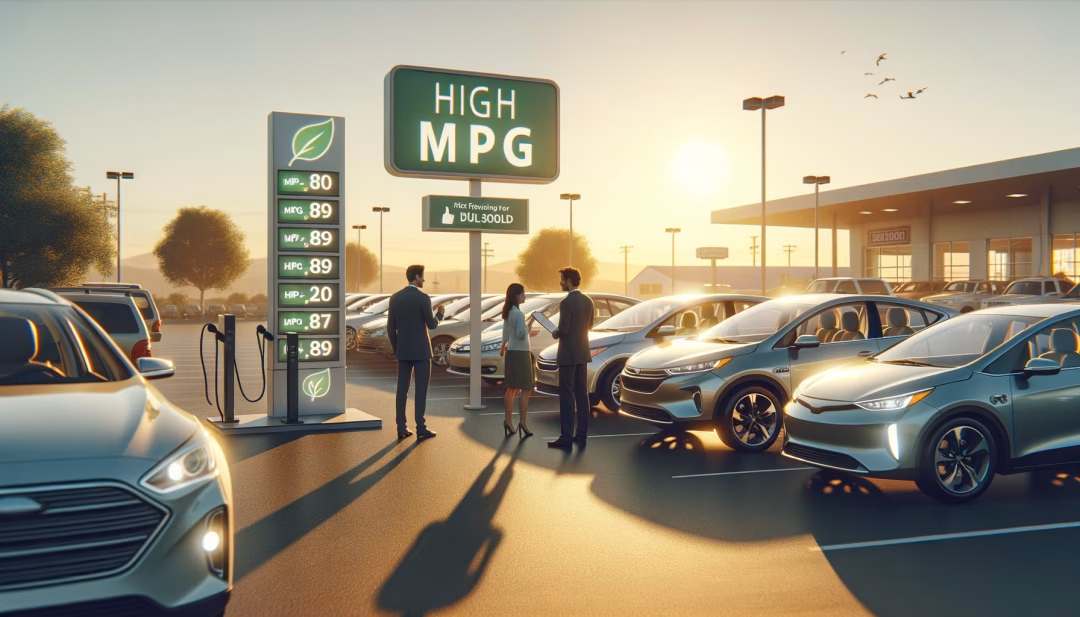
Why choose a used car with high MPG
Fuel efficient used cars help you save money now and over the long haul. A model with high MPG can cut monthly fuel spending, reduce carbon emissions, and often deliver smoother city driving thanks to tuned powertrains and stop start systems. When combined with smart shopping steps like reviewing maintenance records and comparing ownership costs, you can find a pre owned vehicle that feels great on the road and in your budget.
Understanding MPG, MPGe, and real world results
Miles per gallon, or MPG, is measured in controlled tests to standardize comparisons. City MPG represents stop and go driving, while highway MPG reflects steady cruising. Combined MPG blends both. Electric vehicles use MPGe, which estimates energy use equivalent to gasoline. Your results can vary based on speed, weather, terrain, tire condition, roof racks, cargo weight, and driving style. It helps to look at owner feedback and independent road tests along with the official rating.
- City MPG is optimized by smooth acceleration, gentle braking, and efficient route planning
- Highway MPG improves with moderate speeds, proper tire pressure, and reduced roof drag
- MPGe helps you compare EV energy efficiency to gasoline models
Popular categories of used cars with high MPG
There is more than one way to save fuel. Here are the main categories to consider, with strengths that match different needs and budgets.
High efficiency gasoline cars
Modern small and midsize cars can achieve excellent MPG without hybrid systems. Look for models with efficient four cylinder engines, variable valve timing, lean burn calibration, and available cylinder deactivation. These cars are simple to maintain and often cost less than hybrids while still returning strong mileage for commuters.
Hybrid vehicles
Hybrids pair a gasoline engine with an electric motor and a small traction battery. They capture energy during braking and assist during acceleration, delivering excellent city MPG and reliable overall savings. Battery packs in many hybrids are designed for a long service life and often have lower failure rates than many expect when regularly maintained.
Plug in hybrids
Plug in hybrids can drive on electric power for short distances, then switch to hybrid mode for longer trips. If you have regular access to home or workplace charging, a plug in hybrid can cover many daily miles using electricity, while keeping a gasoline backup for road trips. Consider charging speed, battery health, and total electric range in addition to combined MPG and MPGe.
Electric vehicles
EVs eliminate gasoline stops, using electricity that often costs less per mile. MPGe ratings vary by model, wheel size, and climate. Check range ratings, charging compatibility, and battery warranty coverage. If your routes fit within the range and you have charging access, a used EV can deliver very low running costs.
What to look for when shopping
A high MPG rating is a smart start. To maximize value, add a thorough review of condition, equipment, and service history. These factors help lock in reliable efficiency and low total cost of ownership.
- Maintenance records showing regular oil changes, filter replacements, and tire rotations
- Tire condition and alignment, which strongly influence MPG and ride quality
- Aerodynamic features like underbody panels and active grille shutters intact and functional
- For hybrids and EVs, a battery health report and any remaining warranty coverage
- Powertrain smoothness on a thorough test drive that includes hills and highway speeds
You can learn more about smart selection steps on our research resources, including how to evaluate cost, reliability, and condition across trims. See research page template, best used commuter cars, and used cars with lowest cost of ownership for deeper guidance.
When you are comparing candidates, look beyond the window sticker. Consider total monthly cost, which includes payment, fuel, insurance, maintenance, taxes, and potential charging costs if you choose an EV. Our tools can help you plan a budget that fits your goals. Explore used inventory, payment options, and value my trade to estimate a well rounded ownership picture before you decide.
Verification steps that protect MPG and value
A careful inspection helps you confirm that the car will deliver the fuel economy you expect. Even small issues can reduce real world mileage, so use a checklist and keep an eye on items that have an outsized effect on efficiency.
- Check for dashboard warnings, pending trouble codes, and emissions readiness status
- Inspect air filter, spark plugs or ignition components, and fuel system for proper operation
- Confirm correct tire size and proper inflation on a cold tire reading
- Review alignment and brake drag to avoid efficiency loss from rolling resistance
- For EVs and plug in hybrids, test both Level 1 and Level 2 charging if possible
To structure your evaluation, see used car inspection checklist and what to look for when buying a used car. For financing questions, visit how does used car financing work and how to get approved for a used car loan.
Features that boost efficiency
Certain features deliver measurable gains in everyday MPG. If you drive mostly in city traffic, prioritize hybrids with strong regenerative braking and efficient thermal management. If you spend more time on the highway, seek models with advanced transmissions, low rolling resistance tires, and active aerodynamics. Some trims include eco drive modes that adjust throttle response and climate control for better economy.
- Continuously variable transmissions or multi speed automatics with tall overdrives
- Auto stop start for reduced idling in traffic
- Low rolling resistance tires and proper wheel alignment
- Heat pump climate systems in EVs for improved cold weather range
Driving tips to maintain high MPG
Your driving style has a large effect on MPG. Smooth inputs, anticipating traffic, and minimizing idle time can add several miles per gallon. Keep cargo weight and roof accessories to a minimum when not needed, and follow maintenance schedules to sustain efficiency.
- Build speed gradually and maintain steady throttle on the highway
- Use eco mode for daily driving and sport mode only when needed
- Plan routes to reduce cold starts and take advantage of warmed engines
Budget ranges and value picks
High MPG is available at many price points. Budget focused shoppers can find reliable compact cars with impressive highway MPG and low insurance costs. Midrange shoppers can add driver assistance and comfort features while keeping fuel use low. Those seeking the best possible city MPG should consider hybrids and plug in hybrids, especially if most trips are short. If lifetime fuel costs are your priority, compare the long term savings of an EV in your local electricity market with home charging access.
To explore curated lists by price, see best used cars under 10000, best used cars under 15000, best used cars under 20000, and best used hybrid cars under 20000. If you are focused on efficiency and low ownership costs, visit best used cars with good gas mileage, used cars with lowest cost of ownership, and used cars with lowest repair costs.
Reliability and long term ownership
A smart high MPG pick should also be dependable. Review owner satisfaction, recall history, and average repair costs. Some models are known to run well past 200000 miles with routine maintenance, which strengthens their value even if purchase price is slightly higher.
- Research most reliable used cars and used cars that last over 200000 miles
- Compare used cars with longest lifespan and used cars with best resale value
- Check used vehicles with best warranty coverage for peace of mind
Helpful links to continue your search
Use the resources below to research, compare, and plan your next efficient vehicle.
Frequently asked questions about used cars with high MPG
Learn more about buying smarter
For deeper insights on pricing, negotiation, and timing, explore how dealers price used cars, used car depreciation guide, and when is the best time to buy a used car. If you are comparing protection plans, see used car warranty guide and extended warranty for used cars. To connect with our team or visit a showroom, use locations, meet our staff, and contact us. You can also explore our blog, about us, and visitor agreement to learn more about our approach and policies.
Office Hours
Monday
Tuesday
Wednesday
Thursday
Friday
Saturday
9:00 am - 5:00 pm
9:00 am - 5:00 pm
9:00 am - 5:00 pm
9:00 am - 5:00 pm
9:00 am - 5:00 pm
Closed
